

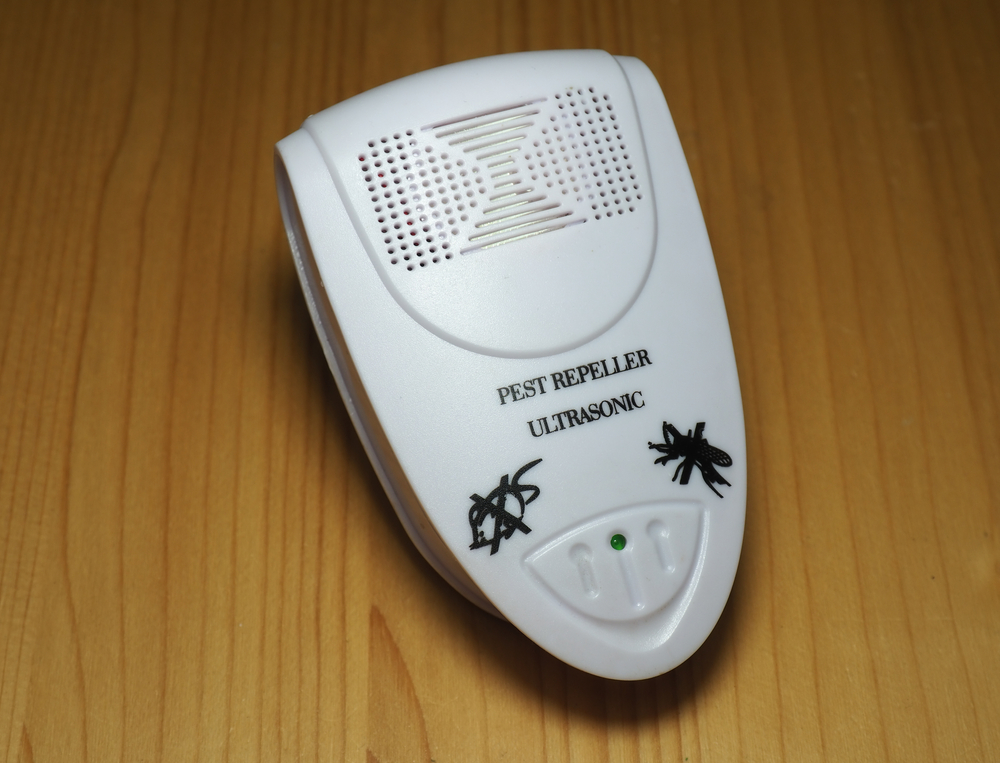
Do ultrasonic pest repellers work? The short answer is no. Although many people spend their hard-earned money on them for DIY pest control, there’s no reliable evidence that they’re effective.
As professional pest managers, we need to be trustworthy. In commercial settings, these devices should not be included as part of any pest management plan.
Your clients expect results. When they’re happy with your work, they’re more likely to recommend you to others. But relying on a gimmicky device that may — or may not — repel pests puts your reputation at risk.
With that in mind, let’s take a look at what ultrasonic pest repellers are supposed to do.
In this article
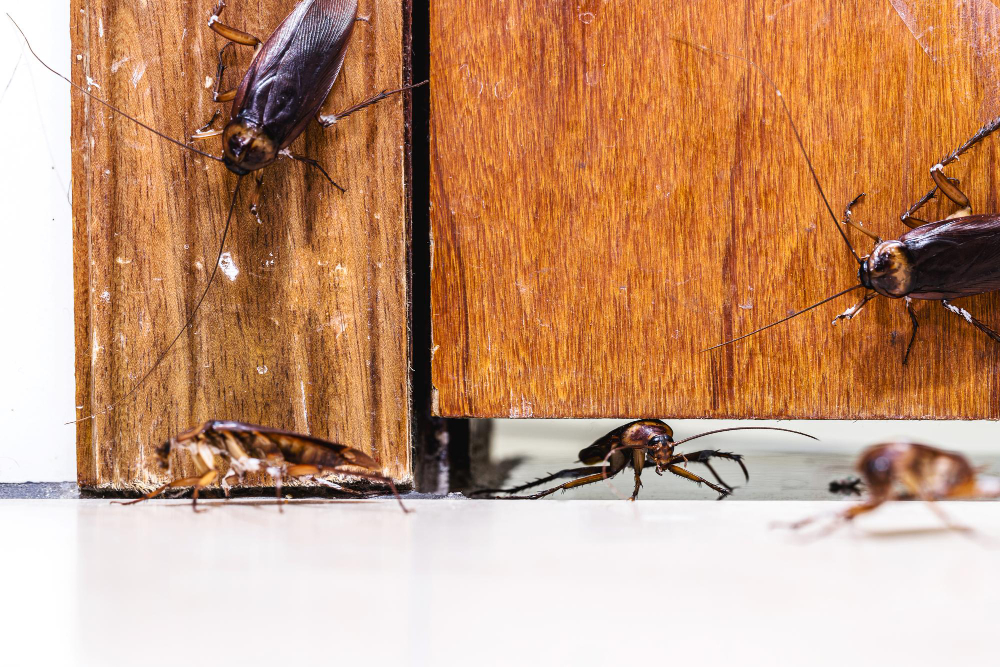
What’s the concept behind ultrasonic pest repellers?
Ultrasonic pest repeller are small plug-in devices that emit ultrasound — very high-pitched sound frequencies. The sound is apparently designed to irritate certain pests such as rats, mice, cockroaches and mosquitoes.
This sound is believed to disrupt their normal behaviour, making the environment less liveable. In some claims, it may interfere with mating cycles, raise body temperature, or simply irritate pests to the point that they choose to leave.
However, in the United States, several manufacturers of ultrasonic pest repellers have been investigated the Federal Trade Commission for false advertising. Two companies have also been issued cease-and-desist letters by the New York Attorney General’s Office, and another has faced a class-action lawsuit for fraud.
The reality is that there’s not enough scientific evidence to prove these devices work. In fact, some research suggests that ultrasonic pest repellers may actually attract certain pests instead of deterring them.

Can humans hear ultrasonic pest repellers?
The sound waves emitted by an ultrasonic pest repeller fall outside of the human hearing range. We can’t hear the frequencies because they’re too high-pitched; in other words, the waves are too fast for us to pick up.
However, some highly sensitive people can feel them even if they’re not aware of hearing them. For example, ultrasounds tests are used to create visual images of a baby in the womb. Babies sometimes react to these tests, for instance, by covering their ears with their tiny fists.
Many people struggle to sleep with an ultrasonic pest repeller switched on in their house at night. And women who can generally hear higher sounds than men sometimes report hearing the high-pitched ringing sound they make.
Do ultrasonic pest repellers work on mice?
Do ultrasonic pest repellers work on mice? Once again no – they don’t work on mice or any other pests. Although people do occasionally get results with them, they can consider themselves lucky.
While this type of pest repeller isn’t guaranteed to get results, the companies that sell them claim they will work on the following pests:
- Ants
- Bed bugs
- Birds
- Cockroaches
- Crickets
- Fleas
- Flies
- Silverfish
- Ticks
- Mosquitoes
- Mice
- Rats
Watch this video to see how mice respond to one brand of ultrasonic pest repeller.
Truth uncovered
In some test cases, ultrasonic pest repellers appear to keep rodents and crickets away for a couple of days. However, the effect doesn’t last. Pests seem to become used to the high-pitched sounds or they simply don’t mind them that much.
Compare the effect of an ultrasonic pest repeller on a mouse to the irritation many humans experience from radiation emitted by computers and mobile phones. We humans know that by using computers and mobile phones, we’re more likely to get work and provide food for our families. The irritation may even be unhealthy for us, but it certainly doesn’t stop us from using them.
Perhaps this is why even when these devices do appear to work for a few days, pests and bugs soon overcome the effect. In short, as professional pest managers, avoid using ultrasonic pest repellers as part of your pest control plan.
Final word
As a professional pest manager, there’s no harm in testing out new products in your own capacity. However, Integrated Pest Management (IPM) is still the most reliable way to control pests. It focuses on understanding how pests behave, finding out why they are there, and using a mix of methods that actually work. This includes good inspections, blocking entry points, improving hygiene, changing the environment, and using targeted treatments when needed. Because IPM is based on real evidence, it gives long-lasting results you and your clients can depend on.
IPM also helps protect your reputation. Clients want solutions that truly fix their pest problems, not products that sound impressive but don’t work, like ultrasonic repellers. By using IPM, you provide a service that’s effective, honest, and tailored to each job. This leads to better results, happier clients, and more trust in your professional work.
Insurance as part of your pest control plan
As a professional, part of your pest control plan should include covering yourself with insurance. General liability and professional indemnity insurance plans can help you cover costs if a disagreement arises between you and a client. You will also be better financially protected if a client takes legal action against you, or if they or their property gets damaged during your work.
Contact us online today or call us on 1300 309 169 to your quote and start running business smarter by protecting your staff and your business.