

Pre-purchase building and pest inspections help buyers understand property risks before making likely the biggest single purchase of their lives. But when warning signs are missed, the impact can be serious – for homeowners and for inspection businesses.
This case shows how missed signs of concealed termite damage led to a large claim, and what inspectors can learn from it.
In this article
Estimated reading time: 6 minutes
What happened?
In February 2022, buyers hired a building and pest inspection company to inspect a property in New South Wales before purchasing it.
The inspector reported no live termites or signs of termite damage. Some risk areas were noted, and a six-month follow-up inspection was recommended.
In July 2022, after purchasing the property, the buyers arranged another inspection with a different pest company. This inspection found major termite damage, the early signs of which should have been flagged during the first inspection.
Because of the damage, the buyers could not move into the home. They faced large costs for repairs, temporary accommodation, mortgage repayments, and storage.
Legal action began in March 2023. The buyers initially claimed around $800,000. The case settled before going to court for $400,000, with total costs close to $500,000 once legal fees were included.
The inspector’s company is no longer able to find insurance to cover its inspections, including past work.
Why the claim succeeded
The buyers had strong evidence.
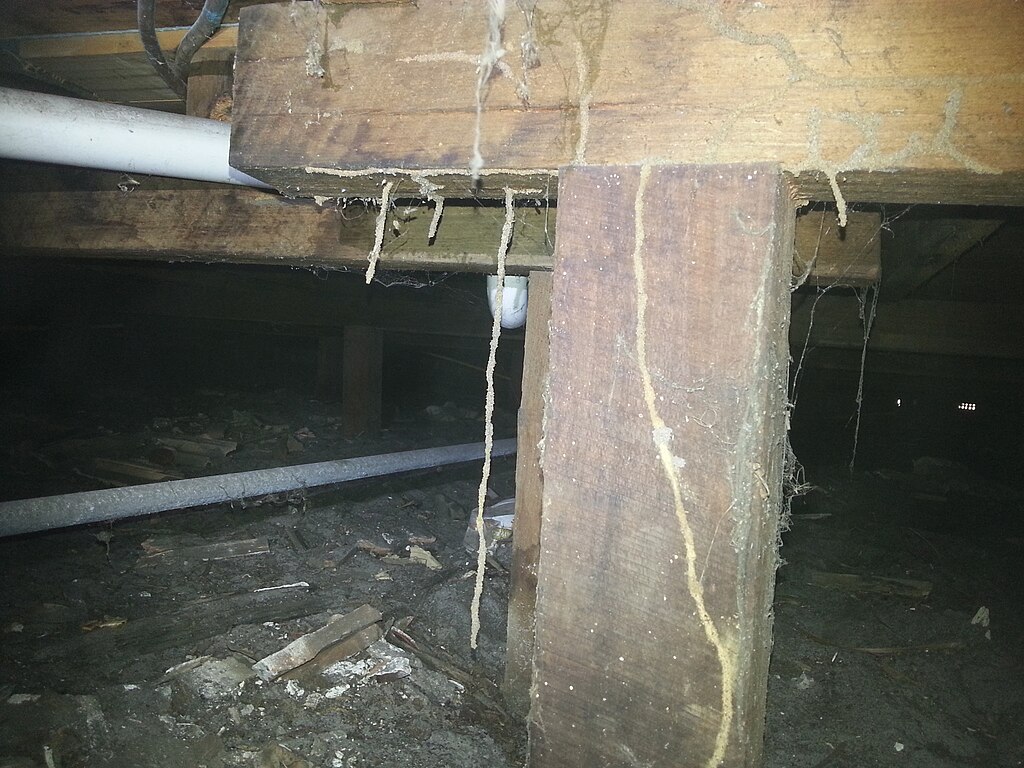
Independent experts said the termite damage and other defects should have been reported during the original inspection. Photos showed clear warning signs, including sagging beams, cracking in bedrooms, and termite mudding under the house.
The original inspection report did not clearly identify these defects or recommend further investigation. This made it very difficult for Rapid to defend the claim.
Although experts engaged by Rapid helped reduce the claim amount, the evidence showed that visible issues were missed.

Standards and duty of care
The dispute focused on whether the inspection met Australian Standards for building and timber pest inspections.
The buyers argued that the inspector failed to properly report visible defects and failed to recommend further checks where needed.
They also claimed the inspector did not meet the expected standard of care for a professional inspector.
While the inspector said the inspection followed the Standards, the evidence suggested that visible signs of defects were present and should have been reported.
Because the inspector was an employee, the inspection company was responsible for the claim.
Key warning signs that were missed
Three visible issues should have raised concern:
Sagging beam in the kitchen
This was visible in real estate photos and in the inspector’s own images. A sagging beam is a sign of possible structural problems and should always be reported as a Major Defect, with a recommendation for further investigations before buying the property.
Cracking upstairs
Cracks in multiple rooms are often a warning sign of concealed structural damage. In this case, the cracking was extensive and repetitive. This should have led to a recommendation for a structural engineer, invasive inspection or builder, before buying the property.
Termite mudding under the house
Photos taken by the inspector showed mud leads on a brick pier. These are high-risk areas and need close inspection, including carefully reviewing photos, and a recommendation for invasive inspection before buying the property.
On their own, each issue was important enough to be reported and named a Major Defect or evidence of termite damage. Together, they clearly pointed to possible concealed termite damage or structural failure warranting further expert investigation.
What could have been done better?
This case shows the importance of:
- Looking at the whole property, not just individual defects
- Reporting all visible issues as Major or Minor Defects, even if the cause is not clear
- Recommending specialist advice before making a purchase decision when red flags are present
- Reviewing photos and notes carefully before finalising reports, with solid quality checks if you have employees
- Keeping clear records, including photos and observations
Reducing risk in future inspections
Inspection businesses can reduce risk by:
- Recording and reporting even minor defects
- Clearly noting areas that could not be accessed
- Recommending follow-up inspections where needed
- Advising buyers to get expert advice before purchasing
- Using quality checks on inspection reports
Good documentation can make a big difference in defending a claim. Rapid Solutions is on a mission to educate our clients on how they can make meaningful improvements to their reporting to avoid stressful and expensive incidents like the above. Here are more real cases and resources to learn from:
- Case Study: When Missed Water Staining Leads to a Claim
- 3 Steps to Take with Pre-Purchase Pest and Building Inspections
- Keeping Records: How To Do It Efficiently and Why It Matters
- Bodily Injury: This Case Study Teaches Very Important Lessons
- Insurance Case Study: Claims Against Termite Pest Control Businesses
Final thoughts
Cases like this highlight how quickly inspection errors can turn into costly claims. Having the right insurance in place can make all the difference.
Rapid Solutions provides tailored insurance solutions for building and pest inspectors, including:
- Professional Indemnity Insurance to cover claims related to advice, reports, and inspections
- General Liability Insurance to protect against third-party injury or property damage
- Business Vehicle Insurance — designed for work vehicles, with options including Comprehensive, Third Party Fire & Theft or Third Party Property.
- General Property Insurance (also called plant and equipment or tool cover) — protects your tools and equipment from loss or damage.
- Business Pack Options and Workers’ Compensation — to bundle and broaden your protection under one insurance partner.
With a deep understanding of the inspection industry, Rapid Solutions Australia helps you choose cover that fits your business and the risks you face.
To learn more about our insurance solutions or to discuss the right cover for your business, get in touch with Rapid Solutions today.